Proven Techniques for Sustaining a Dust-Free, Allergen-Safe House

Introduction
If your eyes itch the moment you sit on the sofa, if a sneeze greets every sunrise, or if your child's asthma flares whenever you change the bedding, you're experiencing the daily reality of household allergens. Dust mites, pet dander, pollen, mould spores, and fine particles (PM2.5) quietly accumulate in carpets, pillows, and air ducts--aggravating symptoms and degrading indoor air quality (IAQ). The good news? There are proven techniques for sustaining a dust-free, allergen-safe house that work in real homes, on real budgets, with measurable results.
This long-form, expert guide distils medical guidelines, building science best practice, and home hygiene strategies into a practical plan you can execute this week. You'll learn how to set up a cleaning cadence that actually keeps dust down, select the right HEPA filtration, control humidity like a pro, and make smart choices about bedding, flooring, pets, and ventilation. Whether you're managing asthma, allergic rhinitis, eczema, or simply want a cleaner, healthier space, the step-by-step methods here will help you breathe easier--and keep it that way.
We draw on UK regulations (e.g., Approved Document F for ventilation), international standards (ISO 16890 and EN 1822 for filters), and clinical recommendations from organisations such as NICE, Allergy UK, and Asthma + Lung UK. With this foundation, you'll have the confidence to implement a plan that's safe, compliant, and highly effective.
Let's turn your home into a low-allergen sanctuary--sustainably.
Table of Contents
- Why This Topic Matters
- Key Benefits
- Step-by-Step Guidance
- Expert Tips
- Common Mistakes to Avoid
- Case Study or Real-World Example
- Tools, Resources & Recommendations
- Law, Compliance or Industry Standards (UK-focused)
- Checklist
- Conclusion with CTA
- FAQ
Why This Topic Matters
Indoor air can be several times more polluted than outdoor air, driven by dust, allergens, and volatile compounds from everyday products. The World Health Organization's 2021 air quality guidelines lower the recommended annual exposure to fine particles (PM2.5) to 5 ug/m?, reflecting strong evidence linking particulate exposure to respiratory and cardiovascular disease. In the UK, 1 in 11 people live with asthma (Asthma + Lung UK), and dust mites, pet dander, mould, and pollen are major triggers. Children, older adults, and those with chronic respiratory conditions are particularly vulnerable.
Beyond health, dust and allergen accumulation affects cognition, sleep quality, and even the lifespan of furnishings and HVAC equipment. Dust-laden filters reduce airflow and efficiency; mould growth damages building materials; and high humidity encourages dust mites, which thrive when relative humidity (RH) exceeds 50%.
Addressing allergens isn't about one-off deep cleans; it's about systems. The most reliable path to an allergen-safe home is a repeatable, evidence-based routine, combined with targeted investments (e.g., HEPA filtration and moisture control). For families, tenants, landlords, and homeowners, that routine is critical to everyday well-being.
Key Benefits
- Fewer symptoms: Reduced sneezing, wheezing, congestion, and eczema flare-ups with sustained, low-allergen housekeeping.
- Better sleep: Lower mite allergen load in bedding and cleaner bedroom air supports deeper, less interrupted rest.
- Performance and focus: Cleaner air supports cognitive function and energy levels, especially for children and those working from home.
- Lower maintenance costs: Dust control prolongs HVAC lifespan, preserves flooring, and reduces the need for frequent deep cleaning.
- Healthier building fabric: Proper ventilation and moisture control reduce mould risks and structural damage.
- Measurable IAQ improvements: Achieve target ranges (e.g., RH 40-50%; PM2.5 below WHO daily guideline values; CO2 under 1000 ppm in occupied rooms).
- Peace of mind: Knowing your routines align with clinical and building standards builds confidence and consistency.
Step-by-Step Guidance
Use this practical sequence to implement proven techniques for sustaining a dust-free, allergen-safe house. Start with assessment, then control sources, then layer filtration and maintenance.
1) Assess and baseline
- Walkthrough: Identify dust reservoirs (carpets, curtains, upholstered furniture, stuffed toys), moisture-prone areas (bathrooms, kitchens, external walls), and pollutant sources (candles, incense, strong cleaners).
- Measure: Use an IAQ monitor to track PM2.5, VOCs, RH, and CO2 for a week. Note peaks by room and activity (e.g., cooking, vacuuming, opening windows in pollen season).
- Prioritise: Start with bedrooms (where we spend one-third of the day), then living spaces, then kitchens and bathrooms.
2) Declutter and dust management
- Declutter surfaces to reduce dust collection. Store items in closed containers; avoid open shelves in bedrooms if allergies are severe.
- Microfibre damp-dusting: Use high-quality microfibre cloths (split-fibre, 300+ gsm) lightly dampened. Dry dusting re-aerosolises particles.
- Top-down method: Clean light fittings, shelves, and window frames before tables and floors to prevent recontamination.
- Frequency: Bedrooms and living rooms 2-3 times/week. High-allergy households may need daily quick wipes for hotspots.
3) Flooring strategy
- Vacuum with a sealed HEPA machine (EN 1822 H13 or H14 class for the final filter). Ensure the vacuum is fully sealed to prevent leakage.
- Technique: Make slow passes--about 30 cm/second--to allow agitation and capture. Overlap strokes.
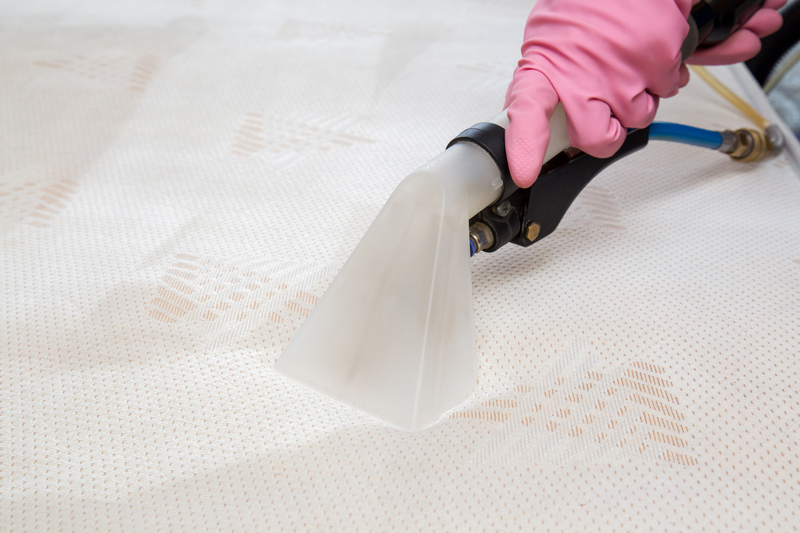
- Carpets: Choose low-pile, tightly woven carpets or consider hard flooring with washable rugs. Deep clean carpets every 6-12 months with a low-residue extraction method.
- Entry control: Adopt a shoe-free policy. Use high-quality doormats (coir outside, microfibre inside), cleaned weekly.
4) Bedding and soft furnishings
- Encasements: Fit dust-mite-proof encasements (tightly woven, tested) on mattresses, pillows, and duvets. Zip closures should be micro-toothed.
- Wash routine: Launder sheets and pillowcases weekly at 60?C. Wash duvets and pillows every 1-3 months, or use professional cleaning.
- Stuffed toys: Freeze for 24 hours then wash, or wash weekly at 60?C. Keep to a minimal number in bed.
- Materials: Consider synthetic, hypoallergenic fillings. Replace pillows every 1-2 years and mattresses every 7-10 years.
5) Ventilation and filtration
- Background ventilation: Use trickle vents and ensure extract fans are functional. Where feasible, MVHR (mechanical ventilation with heat recovery) with ISO 16890 ePM1-rated filters provides excellent control.
- Air purifiers: Choose a unit with a true HEPA (EN 1822) and a Clean Air Delivery Rate (CADR) sized to your room. Aim for at least 4-5 air changes per hour (ACH) in bedrooms for allergy control.
- Placement: Position purifiers away from obstructions; run on low or auto 24/7. Replace filters per manufacturer guidance (typically 6-12 months).
- Window strategy: Ventilate when outdoor pollen and PM are lower (often early afternoon in spring). Use window screens and keep bedroom windows closed during peak pollen hours if symptoms are severe.
6) Humidity and mould control
- Target RH 40-50%. Dust mites struggle below ~50% RH. Use a reliable hygrometer and log RH across seasons.
- Sources: Use lids on pans, operate kitchen and bathroom extracts. Dry clothes outdoors or in a vented dryer; avoid indoor rack drying when possible.
- Dehumidifiers: Size by room volume and moisture load; look for continuous drain options and an energy-efficient compressor.
- Mould action: Fix leaks promptly. Clean small areas with detergent and water; for persistent or extensive mould, consult specialists. Dispose of and replace absorbent materials if heavily contaminated.
7) Pets and dander
- Zone management: Keep pets out of bedrooms and off soft furnishings, especially for cat allergies (Fel d 1 is light and sticky).
- Grooming: Bathe dogs every 1-2 weeks if tolerated; brush in well-ventilated areas. Wash pet bedding weekly at 60?C.
- Filtration: Use HEPA purifiers in rooms pets frequent; vacuum upholstery with a motorised tool.
8) Pollen and outdoor dust
- Entry routine: Shake out jackets outdoors; place laundry baskets near the entrance for dusty gear.
- Window discipline: During high pollen days, ventilate via filtered systems (if available) or time openings carefully. Consider secondary glazing films that reduce infiltration.
- Car maintenance: Change cabin filters regularly and use recirculation on high pollen days to reduce bringing allergens indoors on clothes.
9) Cleaning products and chemical safety
- Low-VOC, fragrance-free products reduce irritant exposure. Avoid aerosols when possible.
- Never mix chemicals, especially bleach and ammonia. Follow GB CLP (Classification, Labelling and Packaging) guidance on hazard labels.
- Rinse residues on surfaces kids and pets contact. Store securely with childproof locks.
10) HVAC and ducts
- Filter upgrades: For central systems, use ISO 16890 filters rated ePM2.5 >= 65% (or better), ensuring fan capacity suits higher resistance.
- Maintenance: Service annually. Clean coils and condensate pans to prevent microbial growth.
- Duct cleaning: Only when evidence of contamination (visible dust/mould, vermin). Sealing leaks can reduce dust intake.
11) Integrated pest management (IPM)
- Food hygiene: Clean crumbs promptly, store food in sealed containers, and empty bins daily.
- Exclusion: Seal cracks, install door sweeps, and repair screens to keep pests out.
- Low-toxicity control: Use baits and traps as first-line; reserve sprays for targeted use as per label.
12) Smart monitoring and routines
- IAQ monitor: Set alerts for PM2.5 > 15-25 ug/m? and RH outside 40-50%. Use automations to trigger purifiers or dehumidifiers.
- Cleaning cadence: Create a weekly plan by room with assigned days. Consistency is more effective than occasional marathons.
- Seasonal resets: Do a quarterly deep clean focusing on vents, behind furniture, and textiles.
Expert Tips
- Seal matters more than the sticker: A 'HEPA' label is meaningless if the vacuum leaks. Look for sealed systems with independently verified filtration.
- Two-mat strategy: One coarse outdoor mat + one high-pile microfibre indoor mat can reduce tracked-in dust by up to 80%.
- Blinds vs curtains: Roller blinds collect less dust than heavy curtains. If you keep curtains, choose washable, tightly woven fabrics.
- Pillow hygiene: Replace pillows more frequently than you think (every 1-2 years). They're a major mite reservoir.
- Layered filtration: Combine source control, mechanical ventilation, and room purifiers for best results; no single tool is enough.
- Vacuum slowly: Slower passes can capture 30-40% more debris from carpets compared with fast vacuuming.
- Beware 'ionisers' and ozone: Ozone-generating devices can irritate lungs. Choose purifiers certified not to produce ozone.
- Steam carefully: Steam kills mites but adds moisture; use sparingly and ventilate well.
- Smart scheduling: Dust in the evening and wash bedding earlier in the day to avoid sleeping in damp sheets.
- Test and adjust: Track symptoms alongside IAQ data. Tailor routines to the worst triggers in your household.
Common Mistakes to Avoid
- Dry dusting that redistributes allergens into the air.
- Using scented cleaners and aerosols that add VOCs and irritants.
- Ignoring humidity: Allowing RH above 55-60% fuels dust mites and mould.
- Skipping encasements on mattresses and pillows--the most impactful, low-cost intervention for many allergy sufferers.
- Buying a HEPA filter only to discover the device isn't sealed or sized correctly for the room.
- Opening windows at peak pollen times without filtration during spring and early summer.
- Storing items under beds, creating dust reservoirs inches from your nose.
- Over-shampooing carpets without proper extraction/drying, leading to mouldy underlay.
- Neglecting extractor fans--dirty or weak fans are common and undercut moisture control.
- Rushing vacuuming: Fast passes leave allergens behind.
Case Study or Real-World Example
Profile: A family of four in a three-bedroom semi-detached home in Manchester, with an 8-year-old child diagnosed with asthma and dust mite allergy. Symptoms peaked at night; morning sneezing and wheeze were common.
Baseline:
- PM2.5 spikes to 45-60 ug/m? during cooking; bedrooms ~15-25 ug/m? overnight.
- RH ranged 55-65% in bedrooms.
- Noisy bathroom extract fans; trickle vents often closed due to draught concerns.
- Pillows aged 5+ years, no encasements; heavy curtains; plush toys on the bed.
Interventions (4-week plan):
- Installed dust-mite-proof encasements on mattresses, pillows, and duvets; replaced pillows.
- Adopted weekly 60?C bedding washes; stuffed toys froze 24 hours before washing.
- Added two HEPA H13 room purifiers (CADR sized for bedrooms); ran 24/7 on low.
- Serviced and upgraded bathroom/kitchen extract fans; educated family on using them during and after moisture events.
- Introduced entry doormats and shoe-free policy; microfibre damp dusting 3x weekly.
- Set dehumidifier to 45-50% in the child's bedroom and landing.
- Replaced heavy curtains with washable roller blinds.
Outcomes (after 8 weeks):
- Bedroom PM2.5 reduced to 5-12 ug/m? overnight; cooking spikes reduced by using extraction at higher speeds.
- RH stabilised at 45-50%.
- Child's nocturnal cough reduced by ~70% per parent logs; fewer reliever inhaler uses, as noted by their GP.
- Dust accumulation visually reduced; cleaning time per week decreased by ~25% after the initial deep clean.
Takeaway: Layering encasements, humidity control, and properly sized HEPA filtration can significantly improve symptoms and provide sustainable results.
Tools, Resources & Recommendations
Equip yourself with the right tools to implement proven techniques for sustaining a dust-free, allergen-safe house.
Essential tools
- Sealed HEPA vacuum with motorised brush head and genuine H13/H14 filter (EN 1822). Keep spare bags and pre-filters.
- Air purifiers with true HEPA and sufficient CADR for 4-5 ACH in target rooms.
- Dehumidifier sized for your room; choose continuous drain if possible.
- Microfibre cloths and mop (split fibre, high GSM); dedicated colour coding for different zones.
- Hygrometer/IAQ monitor measuring RH, PM2.5, CO2, and VOCs.
- Mattress/pillow encasements certified against dust mites.
- Entry doormats (coir + microfibre) and shoe storage.
Trusted standards and references
- ISO 16890: Classification for air filters (look for ePM2.5 and ePM1 ratings).
- EN 1822: HEPA/ULPA filter efficiency classes (target H13/H14 for purifiers and vacuums).
- UK Approved Document F (Ventilation): Guidance on extract rates and background ventilation.
- NICE asthma management guidelines: Allergen avoidance strategies.
- Allergy UK Seal of Approval: Independent product testing for allergy relevance.
- WHO IAQ guidance for dampness and mould; Clean Air Strategy 2019 (UK) for domestic sources of pollution.
Recommended routines
- Daily: Quick kitchen wipe-downs, litter/crumb checks, run extract fans during/after showers and cooking.
- 2-3x weekly: Damp dust living areas and bedrooms; vacuum high-traffic floors and upholstery.
- Weekly: 60?C bedding wash; clean doormats; replace/clean vacuum filters as required.
- Monthly: Wash blinds/curtains (if applicable); deep vacuum mattresses; clean purifier prefilters.
- Seasonally: Service extract fans; check window/door seals; deep clean carpets and soft furnishings.
Law, Compliance or Industry Standards (UK-focused if applicable)
While most allergen control is voluntary, several UK regulations and standards shape best practice and responsibility:
- Building Regulations: Approved Document F (Ventilation) stipulates recommended extract rates: e.g., kitchens typically 30 l/s (adjacent to hob via cooker hood) or 60 l/s otherwise; bathrooms ~15 l/s; WCs ~6 l/s. Proper ventilation is essential to manage moisture and mould risks.
- Approved Document C (Site preparation and resistance to contaminants and moisture) addresses damp prevention, indirectly reducing mould risk.
- Housing Health and Safety Rating System (HHSRS) identifies damp and mould as hazards; landlords may be required to address ventilation and moisture problems.
- The Homes (Fitness for Human Habitation) Act 2018 obliges landlords to keep properties free from serious hazards, including damp and mould-related issues that worsen allergies.
- GB CLP Regulation governs chemical classification and labelling; follow hazard pictograms and instructions when using cleaning products.
- UK REACH applies to chemicals placed on the market; consumers benefit from safer formulations and proper labelling.
- Electrical and product safety: Look for UKCA/CE marking on purifiers, dehumidifiers, and vacuums; follow BS 7671 guidance for electrical safety in installations.
- Filter standards: EN 1822 (HEPA) and ISO 16890 (general HVAC filters) help you select verified, effective filtration.
Note: Tenants with unresolved damp/mould issues should document conditions (photos, humidity/temperature logs) and contact their landlord or local authority. For severe mould, engage certified remediation professionals.
Checklist
Use this quick-reference checklist to sustain a dust-free, allergen-safe home:
- Adopt shoe-free entry; install outdoor + indoor doormats.
- Use sealed HEPA vacuum; vacuum slowly and methodically.
- Damp-dust with high-quality microfibre from top to bottom.
- Fit dust-mite-proof encasements on mattresses and pillows.
- Wash bedding weekly at 60?C; freeze/wash stuffed toys.
- Maintain RH at 40-50% with ventilation and dehumidifiers.
- Run bathroom/kitchen extracts during and after moisture events.
- Use air purifiers with true HEPA, sized for 4-5 ACH in bedrooms.
- Choose low-VOC, fragrance-free cleaning products; never mix chemicals.
- Service fans, purifiers, and HVAC components regularly.
- Keep pets out of bedrooms; wash pet bedding at 60?C weekly.
- Monitor IAQ (PM2.5, RH, CO2, VOCs); adjust routines as needed.
Conclusion with CTA
Creating and maintaining a cleaner, healthier home isn't about perfection--it's about consistency. By combining source control, smart cleaning routines, proper ventilation, and verified HEPA filtration, you can drastically reduce allergens and dust. The result is a calmer, more comfortable environment: better sleep, fewer flare-ups, and a home that truly supports wellbeing.
These are the proven techniques for sustaining a dust-free, allergen-safe house that stand up to everyday life. Start with the bedroom, set your humidity target, encase your bedding, and let your data guide you. You'll feel the difference within days--and measure it in weeks.
Get a free quote today and see how much you can save.
FAQ
What is the ideal indoor humidity to reduce dust mites and mould?
Aim for 40-50% relative humidity. Below ~50%, dust mites struggle to survive, and mould growth is discouraged. Use a hygrometer and adjust ventilation or dehumidification accordingly.
Do I need a HEPA vacuum if I already have an air purifier?
Yes. Air purifiers remove airborne particles but do little for settled dust in carpets and upholstery. A sealed HEPA vacuum prevents re-emission and is essential for deep cleaning.
How often should I wash bedding to control allergens?
Wash sheets and pillowcases weekly at 60?C. Wash duvets and pillows every 1-3 months, or more often if symptoms persist. Use dust-mite-proof encasements for best results.
What's the difference between HEPA and 'HEPA-type' filters?
True HEPA filters meet strict standards (e.g., EN 1822 H13/H14). 'HEPA-type' is a marketing term without guaranteed efficiency or leak-free construction. Choose verified HEPA with sealed systems.
Are houseplants good for improving indoor air quality?
Plants can boost wellbeing but have limited impact on allergen or PM removal at typical household densities. They can also contribute to humidity. Don't rely on plants for filtration.
Should I replace carpets with hard flooring to reduce allergens?
Hard flooring with washable rugs makes dust removal easier. If you keep carpets, choose low-pile, vacuum slowly with a sealed HEPA, and schedule periodic deep cleaning.
When is the best time to ventilate during pollen season?
Ventilate when outdoor pollen is lower--often midday to early afternoon--and rely on mechanical or filtered ventilation if available. Close bedroom windows during peak pollen hours if symptoms are severe.
Do ionisers or ozone generators help with allergens?
Avoid ozone generators; ozone is a respiratory irritant. If using ionisation, choose purifiers certified not to produce ozone and rely primarily on mechanical HEPA filtration.
Will steam cleaning fabrics kill dust mites?
Steam can kill mites on contact, but it also adds moisture. Use sparingly, ventilate well, and prioritise washing at 60?C and using encasements for sustained control.
What CADR do I need for a bedroom air purifier?
Size for 4-5 ACH. As a rule of thumb, CADR (m?/h) ? room volume (m?) x desired ACH. For a 35 m? bedroom and 5 ACH, target ~175 m?/h CADR.
How quickly will I notice improvements?
Many households report symptom relief within days of encasing bedding and using HEPA filtration. Full benefits often appear over 2-8 weeks with consistent routines.
Can I reduce allergens without buying new equipment?
Yes: adopt shoe-free entry, damp-dust, wash bedding at 60?C, declutter, and ensure existing extract fans work. Equipment accelerates and sustains gains but isn't the only path.
Are fragrance-free cleaners really necessary?
Fragrances and certain solvents can irritate airways. Choosing low-VOC, fragrance-free options reduces respiratory irritation and complements allergen control.
Is duct cleaning necessary for every home?
Not routinely. Clean ducts when there is visible contamination, odours, vermin, or after major renovations. Prioritise filtration upgrades and source control first.